
No.

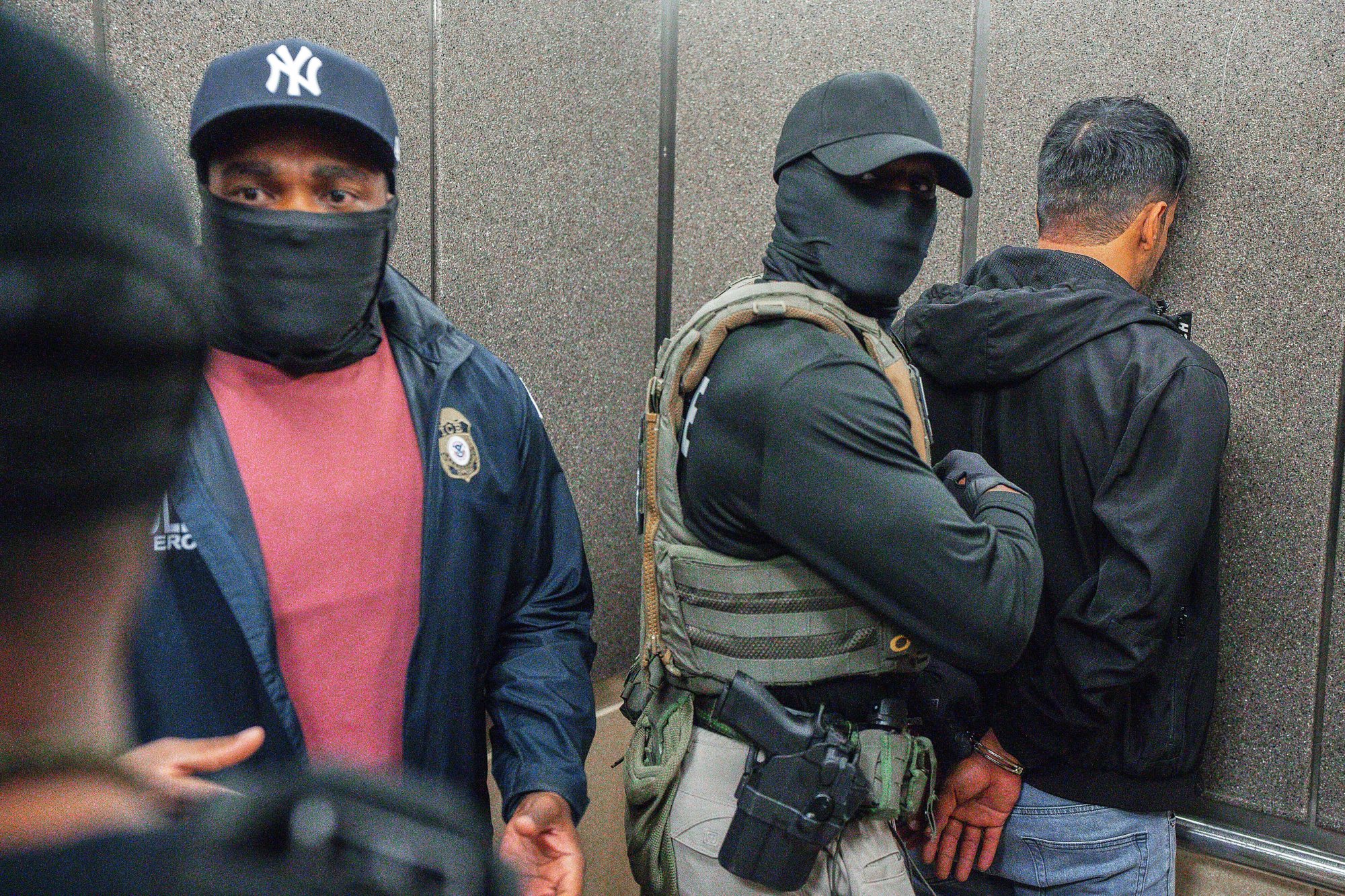
Maine does not have a law prohibiting law enforcement officers from wearing masks — but that could change.
Rep. Grayson Lookner, D-Portland, has submitted a proposal to ban officers from wearing masks that conceal their identities. The Legislative Council will decide whether the measure, known as LR 2591, can be brought to the floor for a vote in the next session, which begins in January.
California is the only state that has passed such a ban so far. Its “No Secret Police Act,” which bans federal and local law enforcement from wearing ski masks and “similar extreme masks,” takes effect Jan. 1, 2026, but is expected to face legal challenges. Experts have questioned whether the state can enforce the law against federal officers without congressional action.
Other states, including Massachusetts and New York, have introduced similar bills targeting Immigration and Customs Enforcement, or ICE, but none has become law.
This fact brief is responsive to conversations such as this one.
The Maine Trust for Local News partners with Gigafact to produce fact briefs — bite-sized fact checks of trending claims. Read our methodology to learn how we check claims.
Sources
- 132st Legislature – Second Regular Session: Bill Requests for Screening
- Maine State Legislature: Legislative Council
- Scott Weiner, Representing (California) Senate District 11: Governor Newsom Signs Senator Wiener’s Ban on Extreme Masking by ICE & Other Law Enforcement
- Cal Matters: Mask bans in California create constitutional questions that are hard to answer
- The 194th General Court of the Commonwealth of Massachusetts: An Act ensuring law enforcement identification and public trust
- The New York State Senate: Senate Bill S8462
Comments are not available on this story. Read more about why we allow commenting on some stories and not on others.
We believe it's important to offer commenting on certain stories as a benefit to our readers. At its best, our comments sections can be a productive platform for readers to engage with our journalism, offer thoughts on coverage and issues, and drive conversation in a respectful, solutions-based way. It's a form of open discourse that can be useful to our community, public officials, journalists and others.
We do not enable comments on everything — exceptions include most crime stories, and coverage involving personal tragedy or sensitive issues that invite personal attacks instead of thoughtful discussion.
You can read more here about our commenting policy and terms of use. More information is also found on our FAQs.
Show less