
A Superior Court judge has ruled that a Bridgton man fatally shot his former brother-in-law but was not criminally responsible at the time.
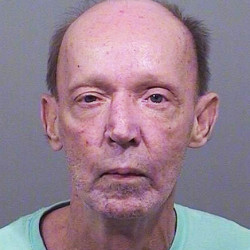
Deputy Attorney General Lisa Marchese said David Pinkham has now been committed to Riverview Psychiatric Center. Pinkham killed 66-year-old Charles Cross outside his Sebago home in 2016, and his mental competency had been in question from the beginning of his case. Justice Lance Walker issued the ruling July 20.
Cross had been married to Pinkham’s sister for more than 20 years before they divorced about two decades ago. Police said the two men remained friends after the divorce. Pinkham had visited Cross at home on March 5, 2016. They chatted in the kitchen and then walked outside. Cross’ longtime girlfriend was in the living room when she heard a “pop-pop” noise outside.
“She looked out the window and saw Cross laying in the snowbank,” a state police affidavit says.
Pinkham drove off, and Cross’ girlfriend called 911. Police in Bridgton pulled over Pinkham’s car about 10 minutes later and saw he had a Taurus .38-caliber revolver in plain view on the front passenger seat. Police later determined that Pinkham bought the gun less than two weeks before the shooting, the affidavit says.
He was arrested immediately and indicted on a murder charge the following month. The motive for the shooting was unclear, and his attorney had said Pinkham was not competent to stand trial.
Megan Doyle can be contacted at 791-6327 or at:
mdoyle@pressherald.com
Twitter: megan_e_doyle

Comments are not available on this story. Read more about why we allow commenting on some stories and not on others.
We believe it's important to offer commenting on certain stories as a benefit to our readers. At its best, our comments sections can be a productive platform for readers to engage with our journalism, offer thoughts on coverage and issues, and drive conversation in a respectful, solutions-based way. It's a form of open discourse that can be useful to our community, public officials, journalists and others.
We do not enable comments on everything — exceptions include most crime stories, and coverage involving personal tragedy or sensitive issues that invite personal attacks instead of thoughtful discussion.
You can read more here about our commenting policy and terms of use. More information is also found on our FAQs.
Show less