


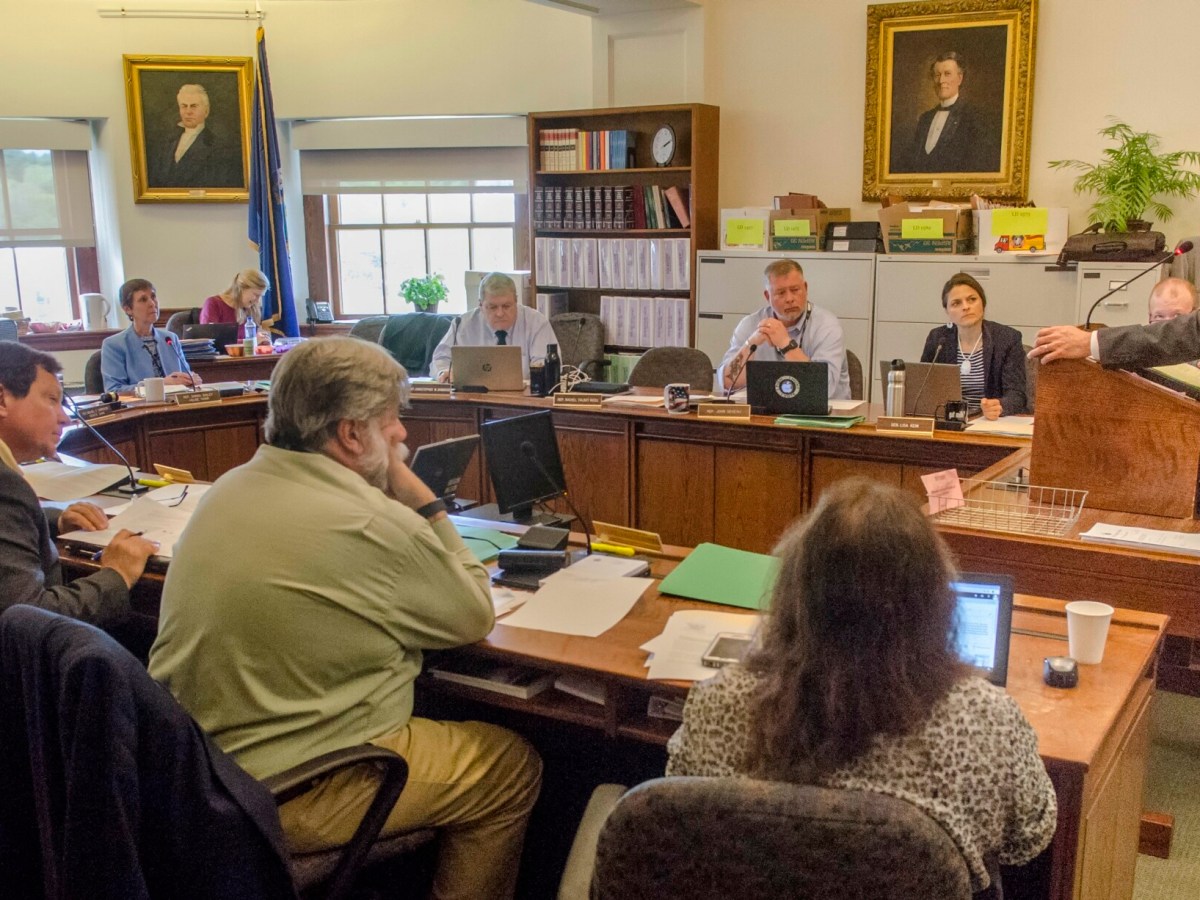
The measure was introduced after South Portland officials learned in March that a petroleum storage facility had been exceeding emissions limits for years.
maine legislature

Posted inBusiness, Local & State, News, Politics
House votes to tighten utility rules on eminent domain
The bill was prompted by Central Maine Power’s proposal to build a high-voltage transmission line through western Maine, although it may not affect that project.
advertisement

Posted inOp-Eds, Opinion
Commentary: A consumer-owned utility could invest in Maine’s economy
Any returns would go back into the general fund or be used to improve service quality and lower prices.

Posted inHealth, Local & State, News, Politics
Bill to ban minors from tanning beds goes to governor
While foes say the bill will harm the state’s nearly 200 tanning businesses, supporters cite research that indicates teens overexposed to ultraviolet run a greater risk of skin cancer later in life.
Posted inLocal & State, News, Politics
Proposed alternative to ‘red flag’ gun bill draws broad support
Both the original and a compromise proposal seek to keep firearms from people who pose a threat.
Posted inBusiness, Local & State, News, Politics
Bill to require greenhouse gas study of CMP project falters in House
The bill was sought by skeptics of Central Maine Power’s claims that the 145-mile transmission line from Quebec will dramatically reduce emissions of climate-warming gases.

Posted inHealth, Local & State, News, Politics
Bill to ban ‘forever chemicals’ in food packaging headed to Mills’ desk
The bill would allow the Maine Department of Environmental Protection to prohibit use of PFAS and phthalates in food packaging as early as January 2022.

Posted inBusiness, Local & State, News
Senate vote moves Maine closer to trashing single-use plastic bags

The Senate voted Tuesday to approve the statewide ban, which already passed in the House but needs further votes in both chambers.

Posted inLocal & State, News, Politics
Parkland shooting survivor joins Maine teens in push to pass gun bills ‘before it is too late’
David Hogg, co-founder of March for Our Lives, visited Augusta and Portland on Tuesday as part a national tour pushing for passage of ‘common sense, life-saving gun reforms.’

Posted inLocal & State, News, Politics
Maine Senate endorses shifting to presidential primary elections
If approved, the legislation would move Maine toward using party primaries instead of caucuses for signaling voters’ preferences.