
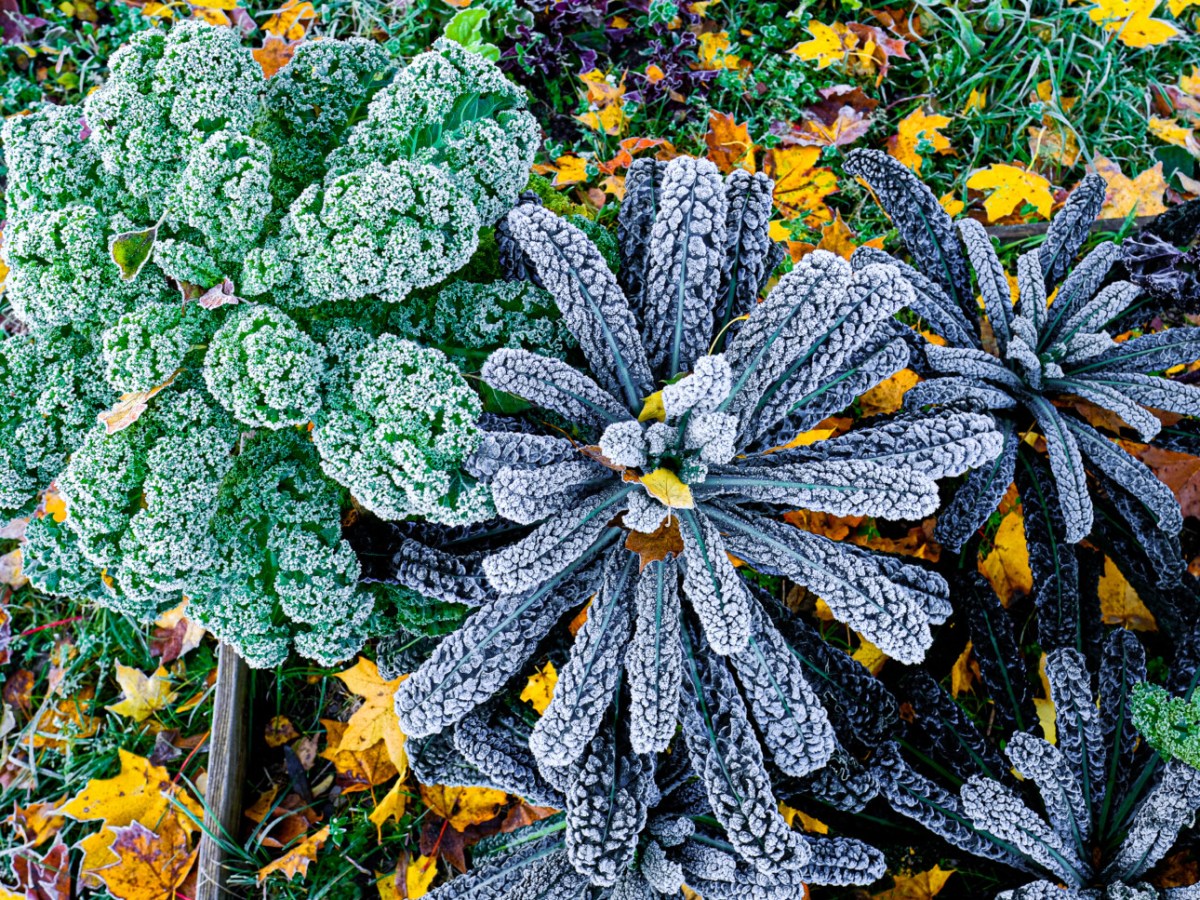
Some plants die immediately, others can withstand colder weather for a time.
Peggy Grodinsky
Staff Writer
Peggy is the editor of the Food & Dining section and the books page at the Portland Press Herald. Previously, she was executive editor of Cook’s Country, a Boston-based national magazine published by America’s Test Kitchen. She spent several years in Texas as food editor at the Houston Chronicle. Peggy has taught food writing to graduate students at New York University and Harvard Extension School. She worked for seven years at the James Beard Foundation in New York and spent a year as a journalism fellow at the University of Hawaii. Her work has appeared in “Best of Food Writing” in 2017 and in “Cornbread Nation 4: The Best of Southern Food Writing” in 2008.
Posted inFood & Dining, Maine Gardener
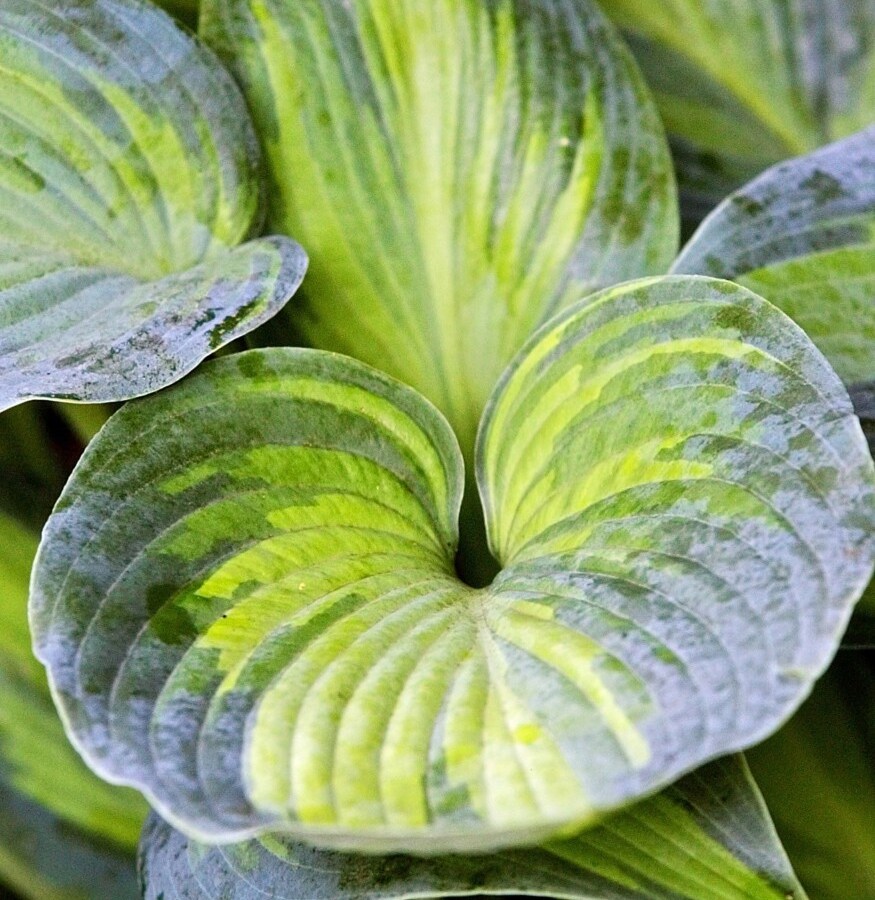
Maine Gardener: Hosta pushing out its neighbors? Iris ailing?
September is a good time to dig and divide.
advertisement
Posted inFood & Dining, Maine Gardener
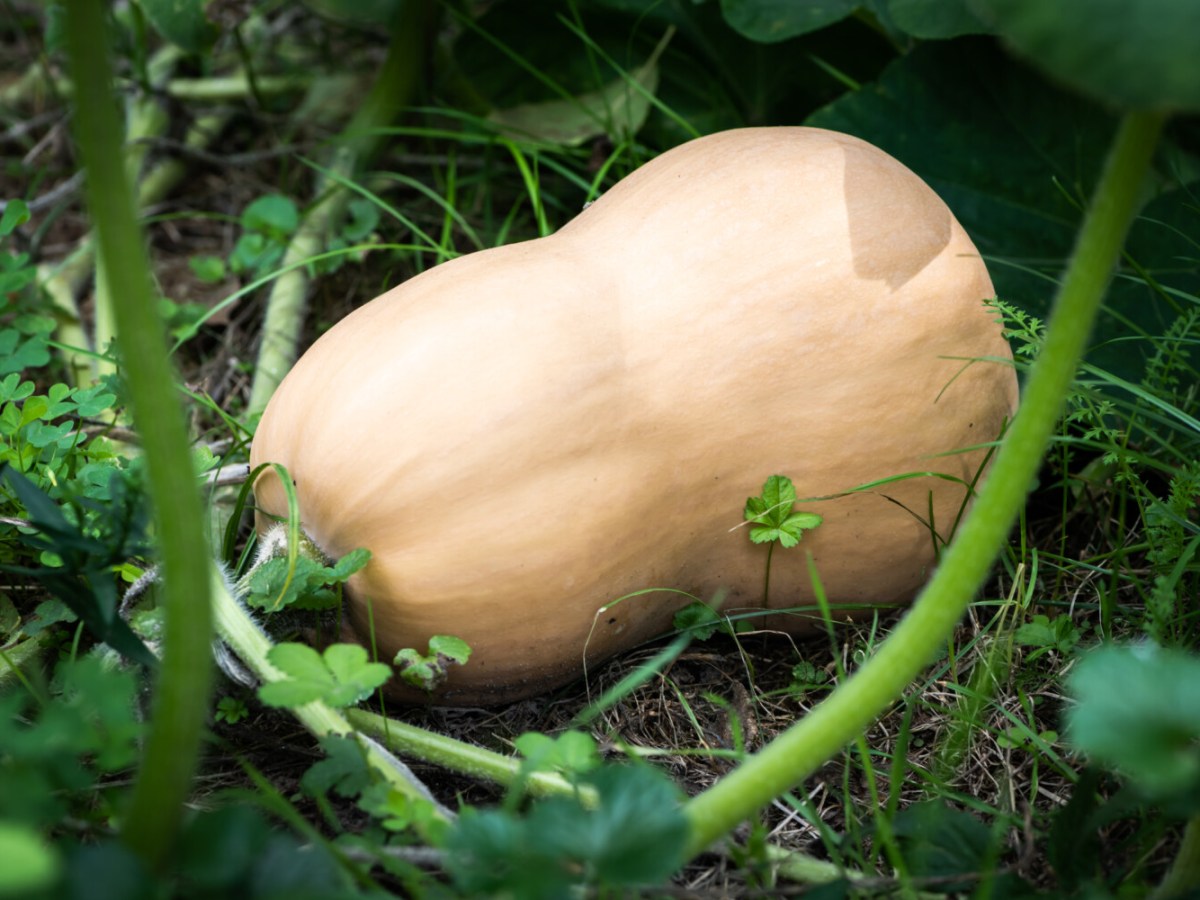
Grow: Winter squash
In fall, a gardener’s fancy turns to thoughts of winter squash
Posted inFood & Dining, Vegan Kitchen
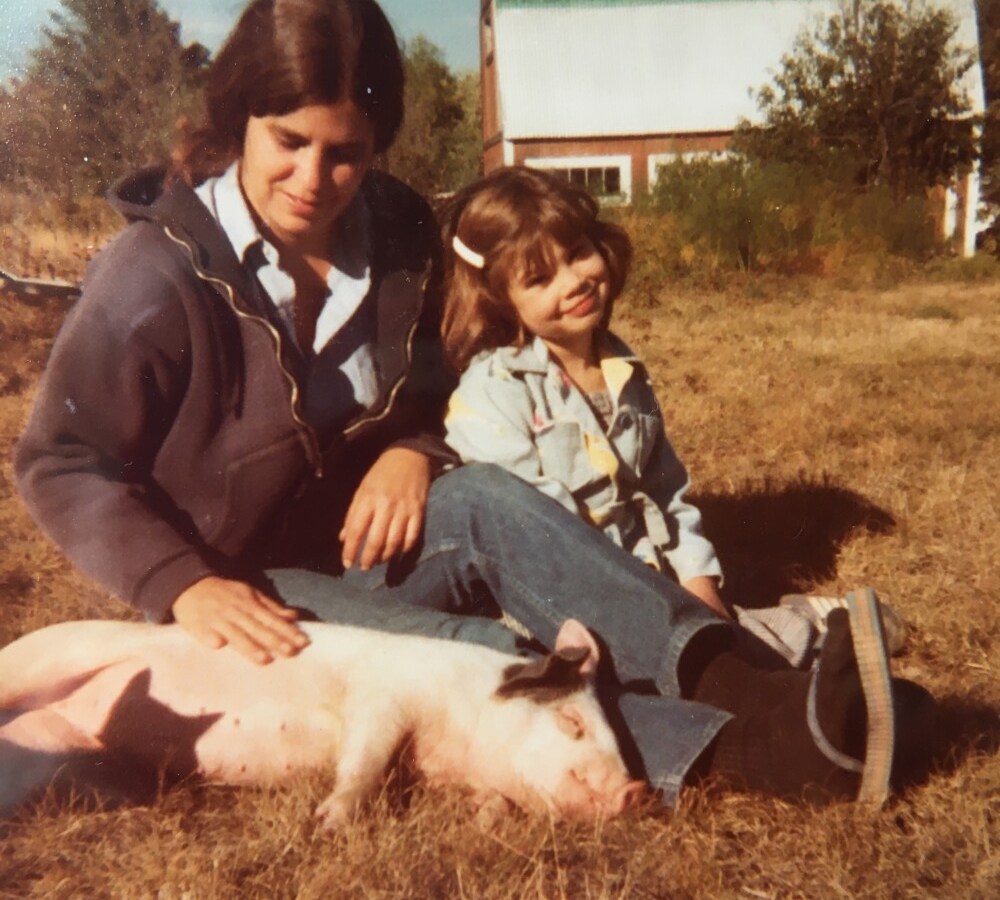
Vegan Kitchen: The making of a vegan
Vegan Kitchen columnist Avery Yale Kamila tells how, 30 years ago, she became an impassioned vegan – and never looked back.
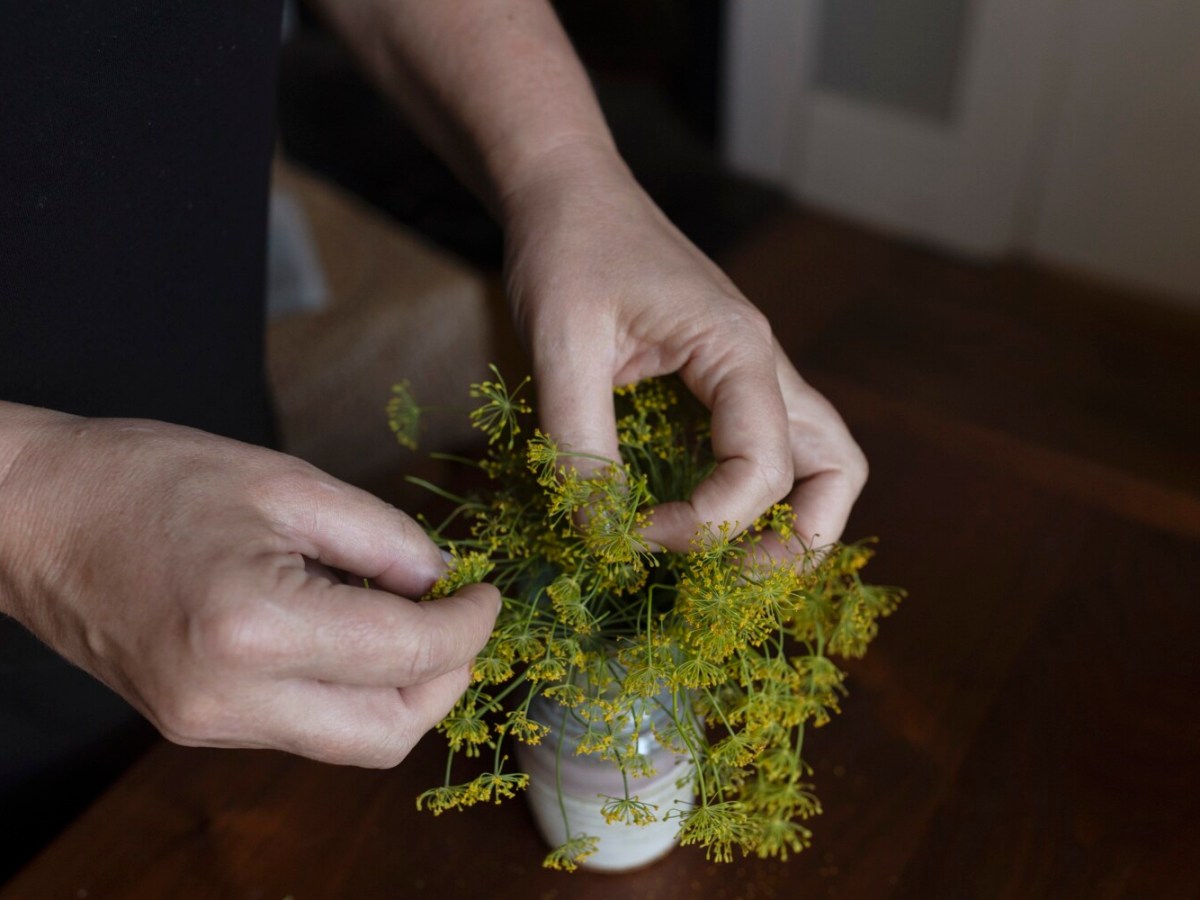
Posted inFood & Dining, Green plate special, Recipes
Green Plate Special: The many reasons dill blossoms are kind of a big deal
You can use different parts of the plant in all sorts of ways.
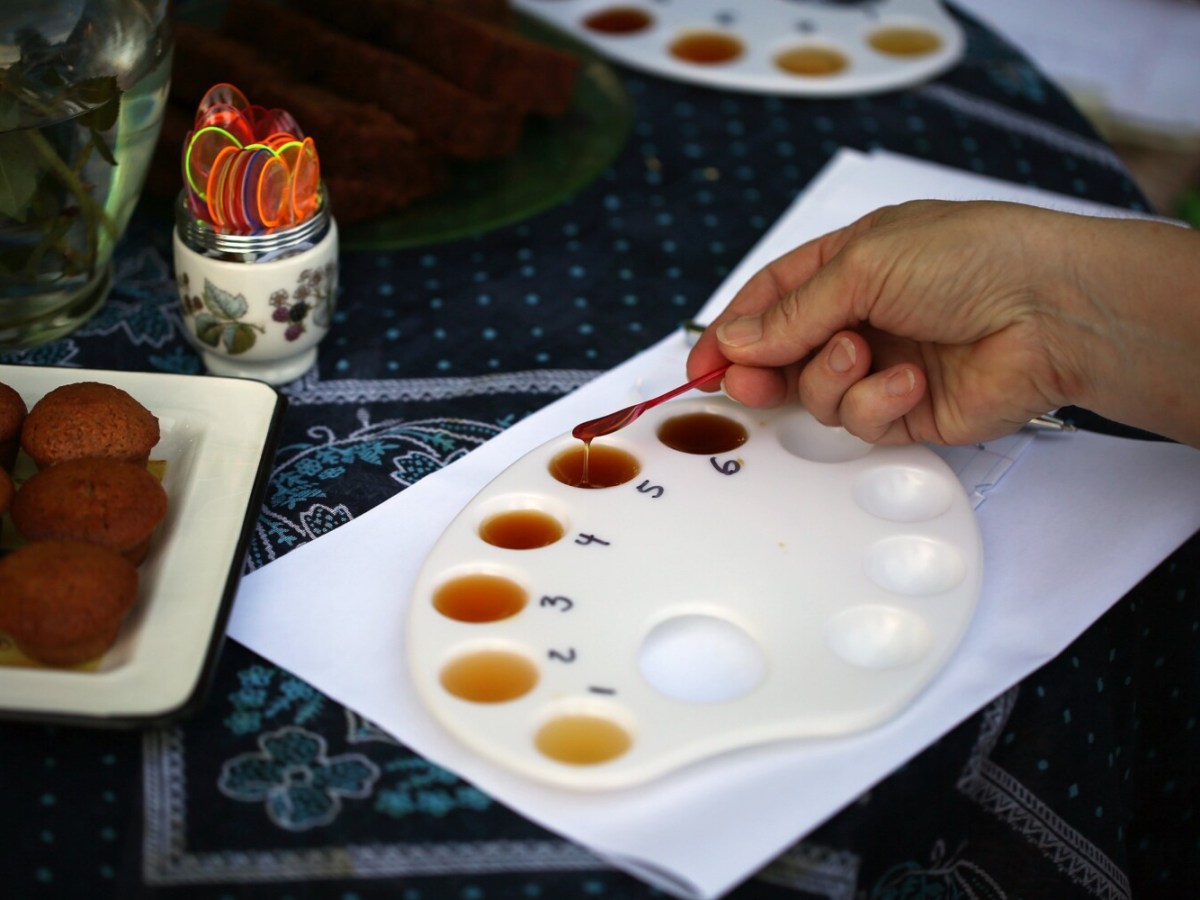
Posted inFood & Dining, Recipes
Like a certain honey flavor? You have bees to thank

The nectar chosen by the insects, which varies by season and region, determines how different honeys taste.
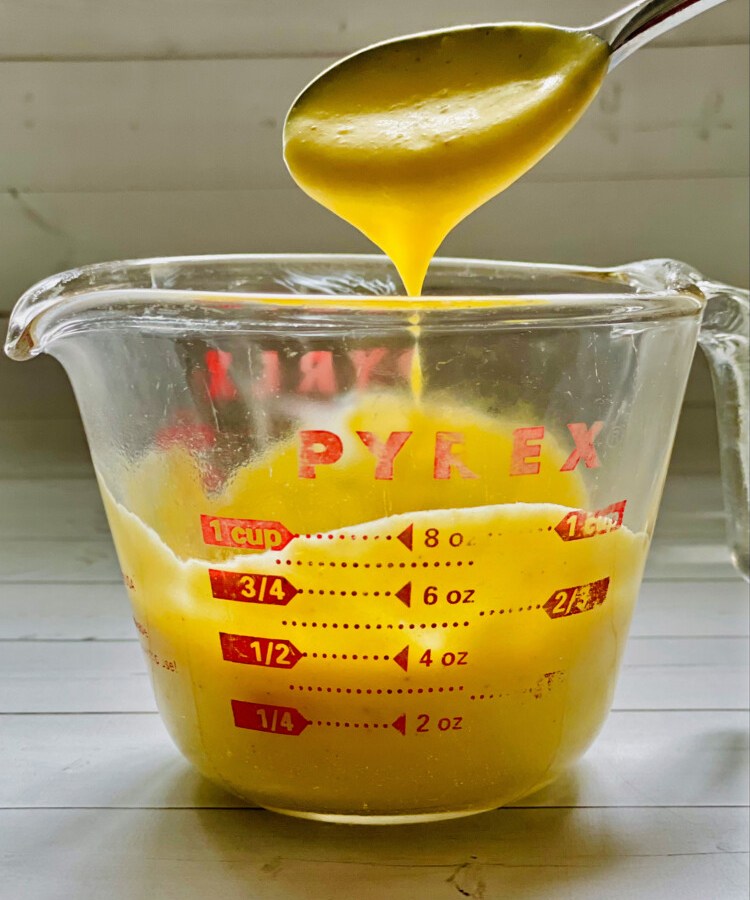
Posted inFood & Dining, Green plate special, Recipes
Green Plate Special: Foolproof Hollandaise keeps you from wasting precious local eggs
Goodbye anxiety in the kitchen, hello luscious Hollandaise on the plate.
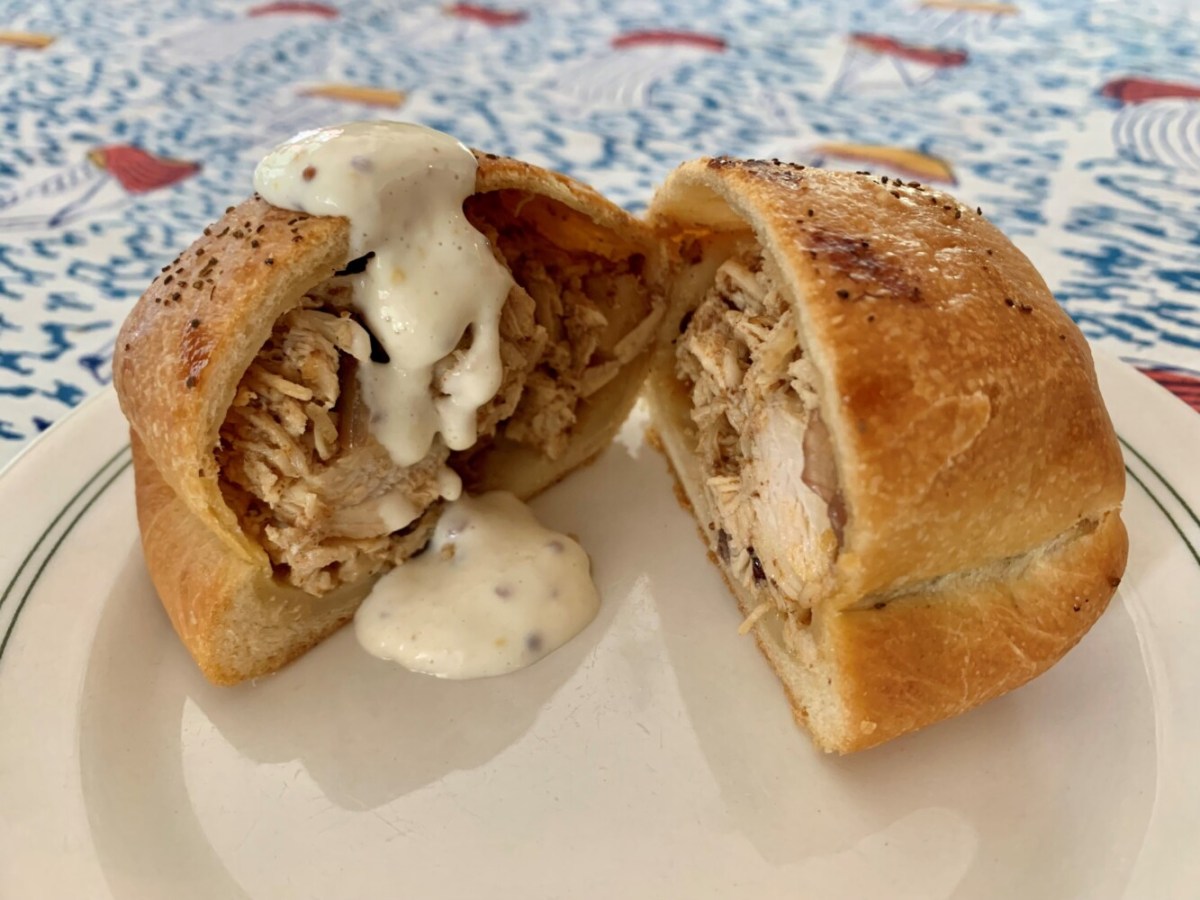
Posted inFood & Dining
Dine Out Maine: Standout side dishes for Labor Day – let others do the cooking for you
And they’ll work for Thanksgiving, too.
Posted inFood & Dining, Maine Gardener
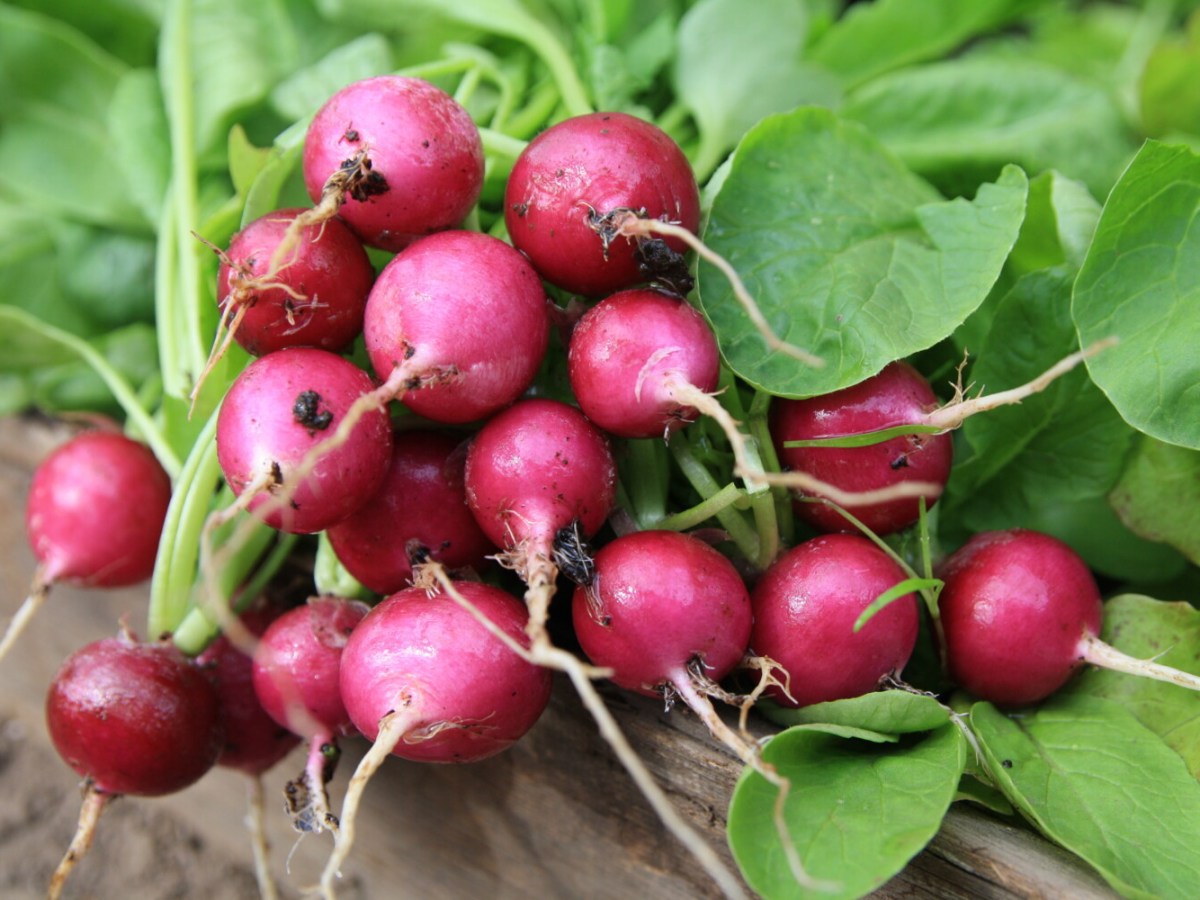
Grow: Radishes
Radishes are generally considered a spring vegetable. They can be planted as soon as the soil is dry enough to work, and three to five weeks later, you get a sharp-tasting, pretty vegetable to add to your salads or otherwise eat. But radishes also can be grown in the fall. Plant them now and you’ll […]
Posted inFood & Dining, Maine Gardener
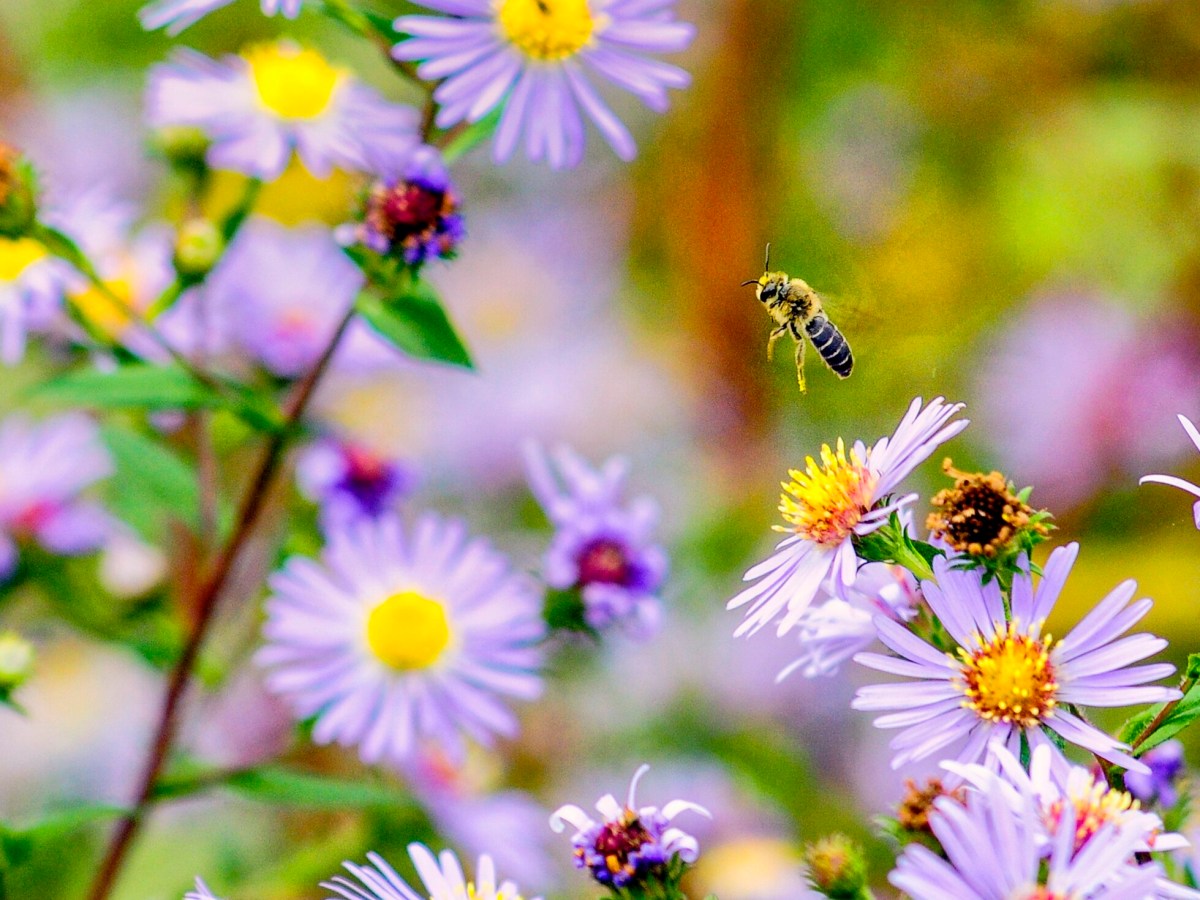
Maine Gardener: Plant some late-season eye-catchers
Here’s what to look for: height, color and pollinator attractions.